World History Curriculum
An Interactive Journey Through Time
Explore 4,000 years of history through an integrated study of history, philosophy, mathematics, and logic—all from a biblical perspective. History is the spine that connects everything.
Four Periods of History
Select a time period to explore its history, philosophy, mathematics, and logic in depth
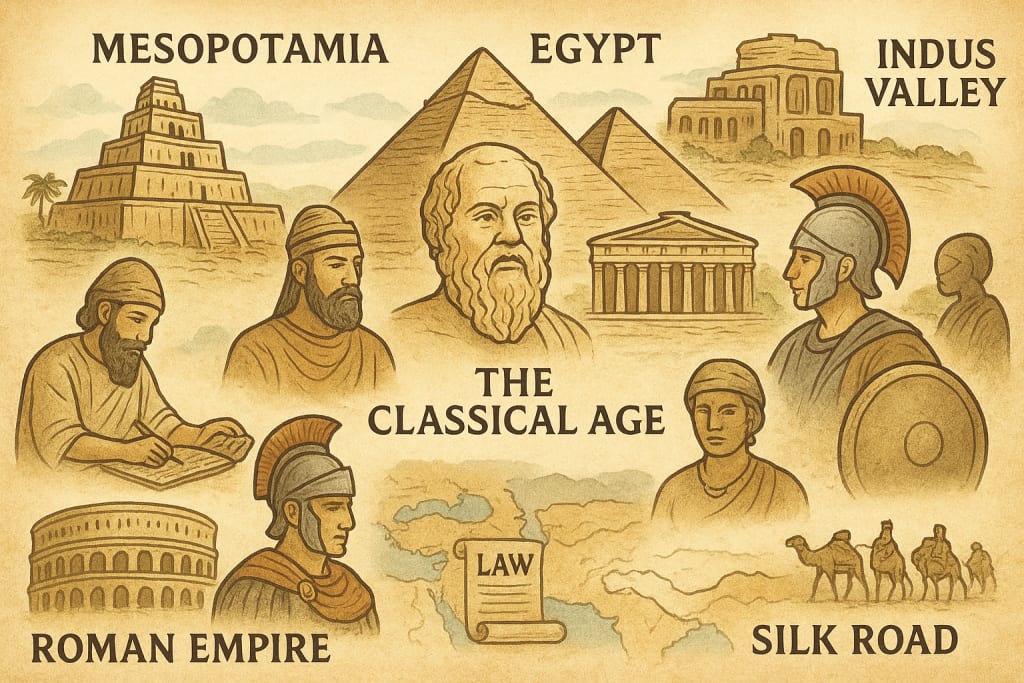
Ancient Foundations
2024 BC - 476 AD
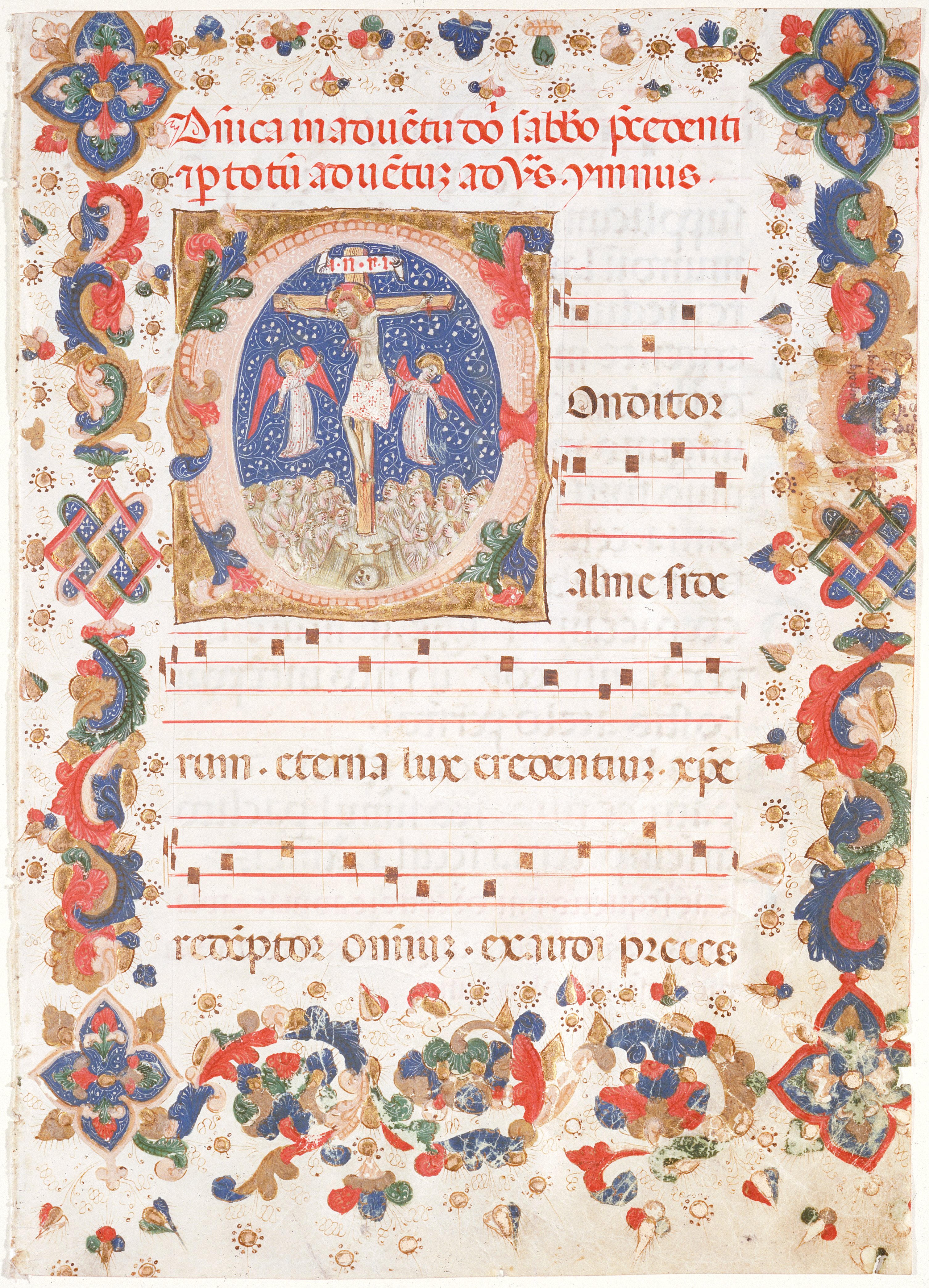
Medieval Christendom
476 AD - 1476 AD
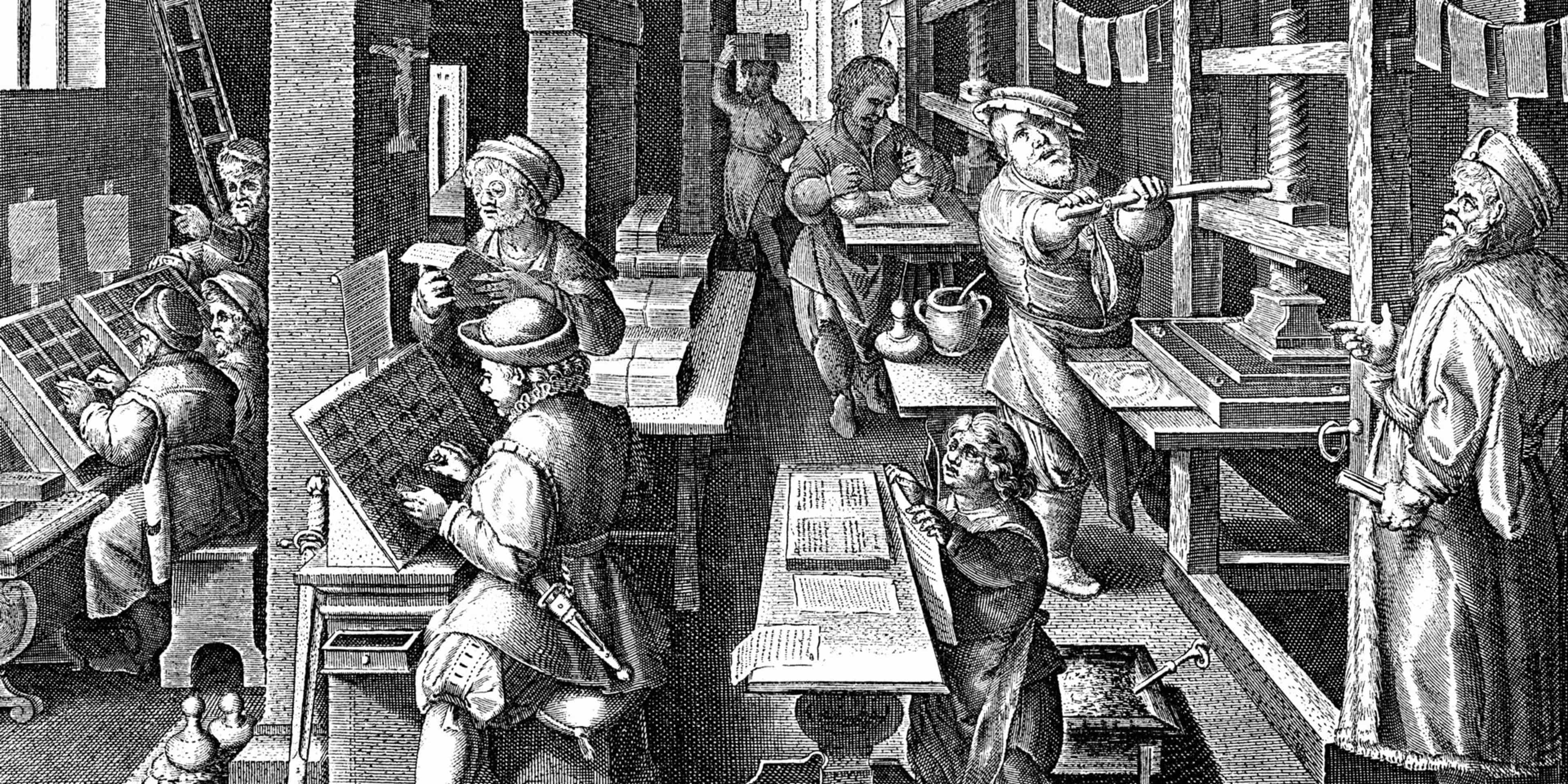
Renaissance to Revolution
1476 AD - 1776 AD

Curriculum Structure
An integrated, chronological approach to learning
Volumes 1-4 introduce students to the narrative of world history, laying a strong foundation in historical events, key figures, and basic philosophical concepts.
- Narrative-focused approach
- Integrated chronological Bible reading
- Introduction to mathematical concepts
Volumes 5-8 revisit the same periods with greater depth, critical analysis, primary source engagement, and advanced philosophical and theological study.
- Primary source analysis
- Worldview comparison and critique
- Advanced mathematical proofs
History serves as the spine of this curriculum, with philosophy, theology, mathematics, science, and logic woven throughout each time period. Students learn not just what happened, but why it happened and what it means.
History
The chronological spine
Philosophy
Ideas have consequences
Mathematics
Language of creation
Logic
Tools for clear thinking